
The Russian alphabet: how to learn all 33 letters in a few days
LEARNING RUSSIAN
The Cyrillic alphabet in 33 letters: which ones you already know, which ones lie to you, and a realistic plan to read Russian within a week.
Cyrillic looks like a wall until someone sorts the letters into three piles for you. Then it takes days, not months. Here are the piles.
Pile 1: letters you already know
А, О, М, К, Т, Е sound roughly like they look. So does З if you squint (it is "z"). That is a fifth of the alphabet before you have done anything.
Try it: КОТ is "kot" - a cat. МАМА is exactly what you think it is.
Pile 2: the false friends
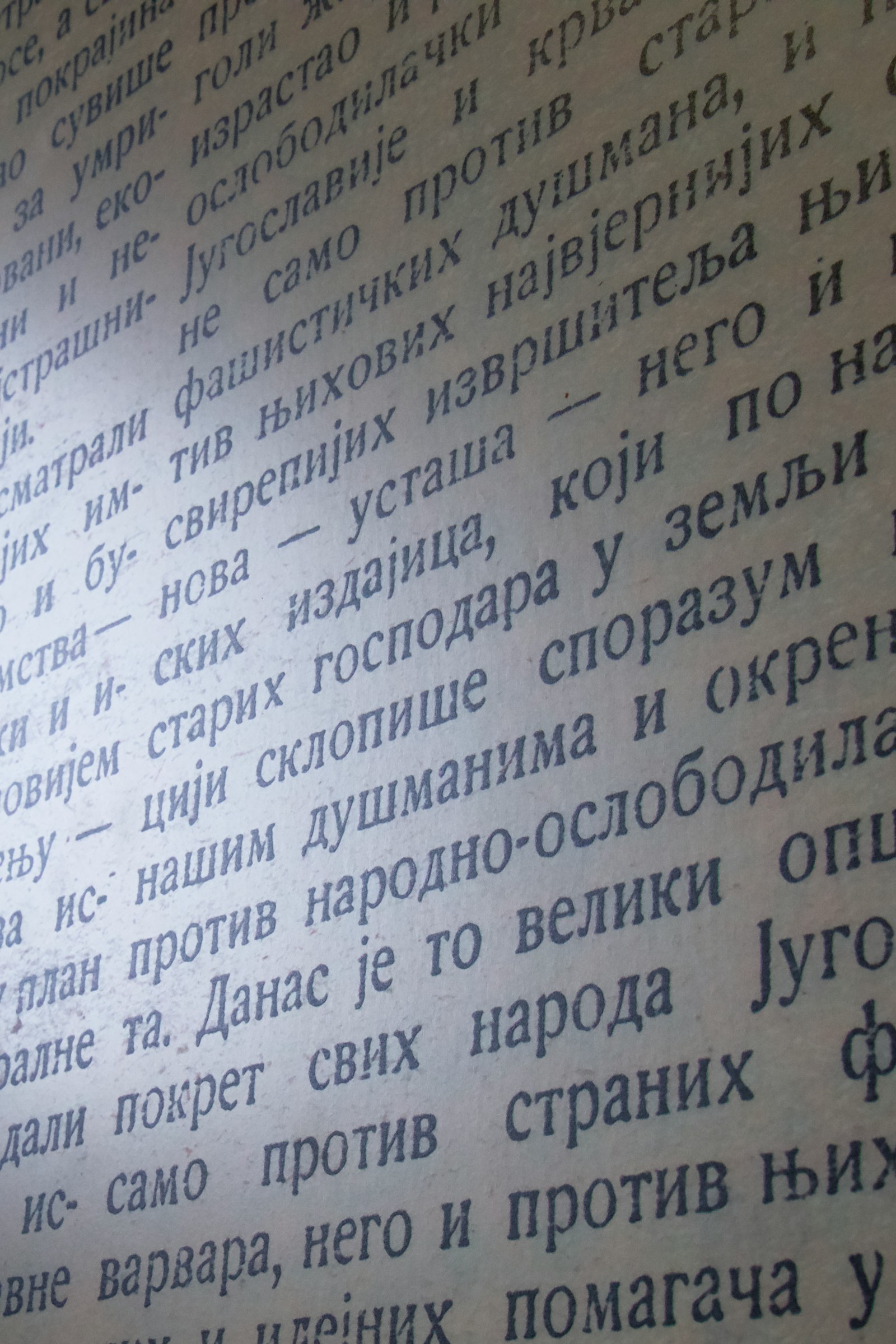
Cyrillic writing for a Russian alphabet guide
Six letters look familiar and sound completely different. These cause most early reading mistakes, so learn them as one group:
- В sounds like V - вода (voda), water
- Н sounds like N - нет (nyet), no
- Р is a rolled R - ресторан (restoran)
- С sounds like S - сок (sok), juice
- У sounds like OO - утро (utro), morning
- Х is the throaty KH - хлеб (khleb), bread
Once these six are sorted, РЕСТОРАН reads itself.
Pile 3: genuinely new shapes
The rest are new drawings for mostly familiar sounds: Б (b), Г (g), Д (d), Ж (zh, like the s in "pleasure"), И (ee), Й (y as in "boy"), Л (l), П (p), Ф (f), Ц (ts), Ч (ch), Ш (sh), Щ (a longer, softer sh), Э (e as in "met"), Ю (yu), Я (ya). The only real stranger is Ы - an "i" pronounced further back in the mouth. Your teacher will drill it with you; after a few days it settles.
Two letters make no sound at all: the soft sign Ь softens the consonant before it (мать, "mother"), the hard sign Ъ keeps sounds apart and is rare. Do not fight them in week one. And Ё (yo) is often printed as Е - ёлка/елка, the Christmas tree - one of those things you simply get used to.
The realistic plan
Day one: pile 1 and pile 2 - read КОТ, ВОДА, СОК, МЕТРО out loud. Day two: pile 3 in two halves, plus international words: КОФЕ, ТАКСИ, БАНК, ПАСПОРТ, ТЕЛЕФОН, ИНТЕРНЕТ, ПИЦЦА. Day three onwards: read every sign you pass - street names, shop windows, the metro map. Slowly is fine; out loud is better.
Most of our beginners read simple words within the first days of the course and stop transliterating in their heads by the end of week one. The alphabet is the smallest of Russian's challenges - it just comes first. When you are ready for the next one, there is a separate guide to Russian grammar and cases.
LEARNING RUSSIAN
Plan your Russian course in Saint Petersburg
Tell us your level, dates and goals. We will suggest a course format and practical next steps.
Tell us your level, dates and goals. We will suggest a course format and practical next steps.
Tell us your level, dates and goals. We will suggest a course format and practical next steps.
Tell us your level, dates and goals. We will suggest a course format and practical next steps.