
Russian visa for language students: a practical guide
PRACTICAL TIPS
Do you need a visa to study Russian in St Petersburg? E-visa vs regular visa, what documents the school provides, timelines and registration - without the myths.
Visa paperwork is the least exciting part of planning a Russian course, and the part with the most outdated advice online. Here is how it actually works for language students, and what to check before you book flights.
First: do you need a visa at all?
It depends on your citizenship. Some passports have visa-free entry for short stays, some are eligible for Russia's unified electronic visa, and others need a regular visa from a consulate. Rules change, so treat only two sources as final: the official e-visa portal and the Russian consulate in your country. Everything else, including this article, is orientation, not law.
The two main routes
Unified e-visa. For eligible passports and short visits, the electronic visa is the simplest route: an online application, no consulate appointment. Check whether your citizenship is on the current e-visa list and whether the permitted stay covers your whole course.
Regular visa. If your passport is not covered by the e-visa, or your course is longer than the e-visa allows, you apply through the Russian consulate or visa centre in your country. Requirements vary by consulate, so use their checklist, not a generic one.
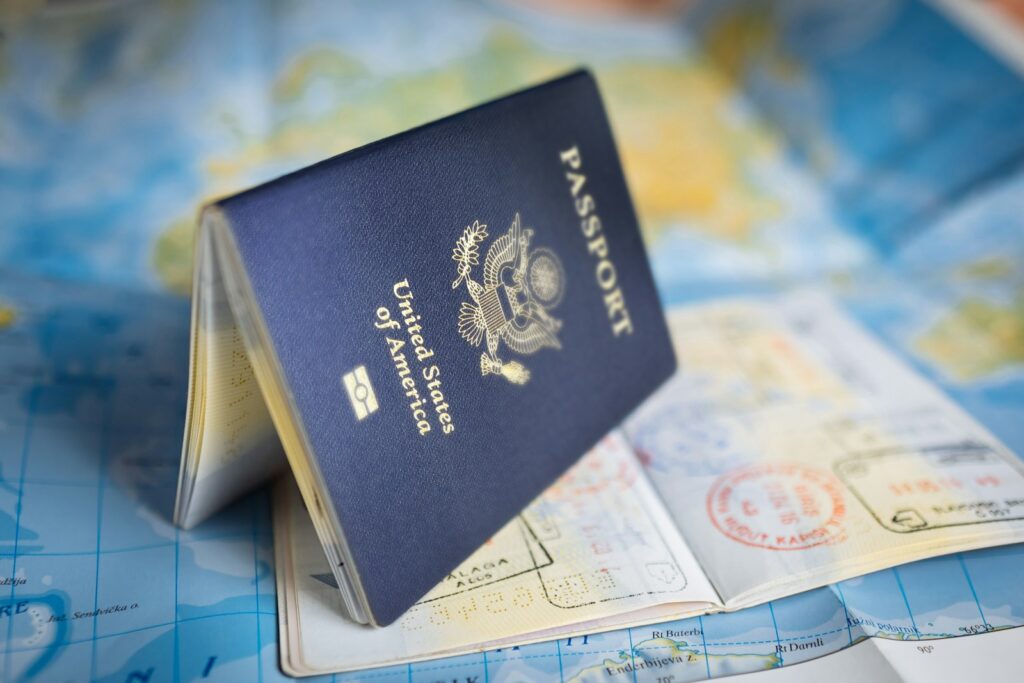
Passport and map for a Russian language student visa guide
What the school provides
For a confirmed booking, EducaCentre prepares a course confirmation and accommodation details matching your actual dates and programme. That is the document set consulates ask language students for. Tell us your citizenship and dates when you book, and we will tell you exactly which papers we can issue for your application.
What you handle yourself
- A passport valid well beyond your planned departure, with blank pages.
- The application form for your consulate or the e-visa portal, filled in carefully. Small mismatches between documents cause most delays.
- Medical insurance valid for Russia for the whole stay. Your consulate states the requirements.
- The visa fee for your nationality. Check the current amount on the consulate's own page.
When to start
Start the visa process as soon as your course dates are fixed. For regular visas, two to three months before travel is comfortable; e-visas are faster. Do not buy non-refundable tickets before you know which route applies to you.
After you arrive
At the border you receive a migration card. Keep it until departure. Foreign visitors may also need migration registration after arrival. If you booked accommodation through the school, we explain the registration procedure for your stay; hotels and hostels register guests themselves. Bring your passport, visa and migration card on the first study day.
The honest summary
No school can promise a visa. Decisions belong to the consulate or the e-visa system. What a school can do is issue correct course documents quickly and tell you what to check for your citizenship. That is exactly what we do. Read our visa information page, or write to us with your citizenship and dates before booking flights.
PRACTICAL TIPS
Plan your Russian course in Saint Petersburg
Tell us your level, dates and goals. We will suggest a course format and practical next steps.
Tell us your level, dates and goals. We will suggest a course format and practical next steps.
Tell us your level, dates and goals. We will suggest a course format and practical next steps.
Tell us your level, dates and goals. We will suggest a course format and practical next steps.